

A Deep Dive into History, Culture and Identity
The Mapuche, one of South America’s most significant indigenous peoples, have a rich cultural heritage that spans over a thousand years. Native to the southern regions of Chile and Argentina, the Mapuche people’s history, culture and struggles are deeply intertwined with the land they inhabit. Despite centuries of colonization, displacement and marginalization, the Mapuche have managed to preserve their traditions, language and identity, playing a crucial role in contemporary discussions on indigenous rights, autonomy and land reclamation.
A Brief Historical Overview
The Mapuche, meaning “people of the earth” in their native language, Mapudungun, trace their origins to a time well before the arrival of European colonizers. Archaeological evidence suggests that the Mapuche inhabited the central and southern regions of what are now Chile and Argentina for over 1,000 years. Their geographical region stretches from the lush forests of southern Chile to the fertile plains of Argentina’s Patagonia.
The arrival of the Spanish in the 16th century marked the beginning of a long and tumultuous period of conflict. The Mapuche, unlike many other indigenous groups in the Americas, fiercely resisted Spanish colonization. This resistance culminated in the prolonged Arauco War (1536–1818), during which the Mapuche fought relentlessly to protect their land and autonomy. The Mapuche were never fully subjugated by the Spanish and, for a time, managed to retain control over their territories.
Following Chile’s independence from Spain in 1818, the Mapuche found themselves caught between the expanding Chilean state and the pressures of settler colonialism. Throughout the 19th and 20th centuries, the Mapuche faced land dispossession, forced assimilation policies and various forms of exploitation. Despite these challenges, they maintained a strong sense of cultural identity and continued to resist efforts to erase their presence.

The Poncho: A Symbol of Mapuche Culture and Resilience
One of the most recognizable and culturally significant items of clothing among the Mapuche people is the poncho. The poncho has deep historical roots in the region, and it is more than just a practical garment—it’s an important symbol of identity, resistance and cultural pride for the Mapuche.
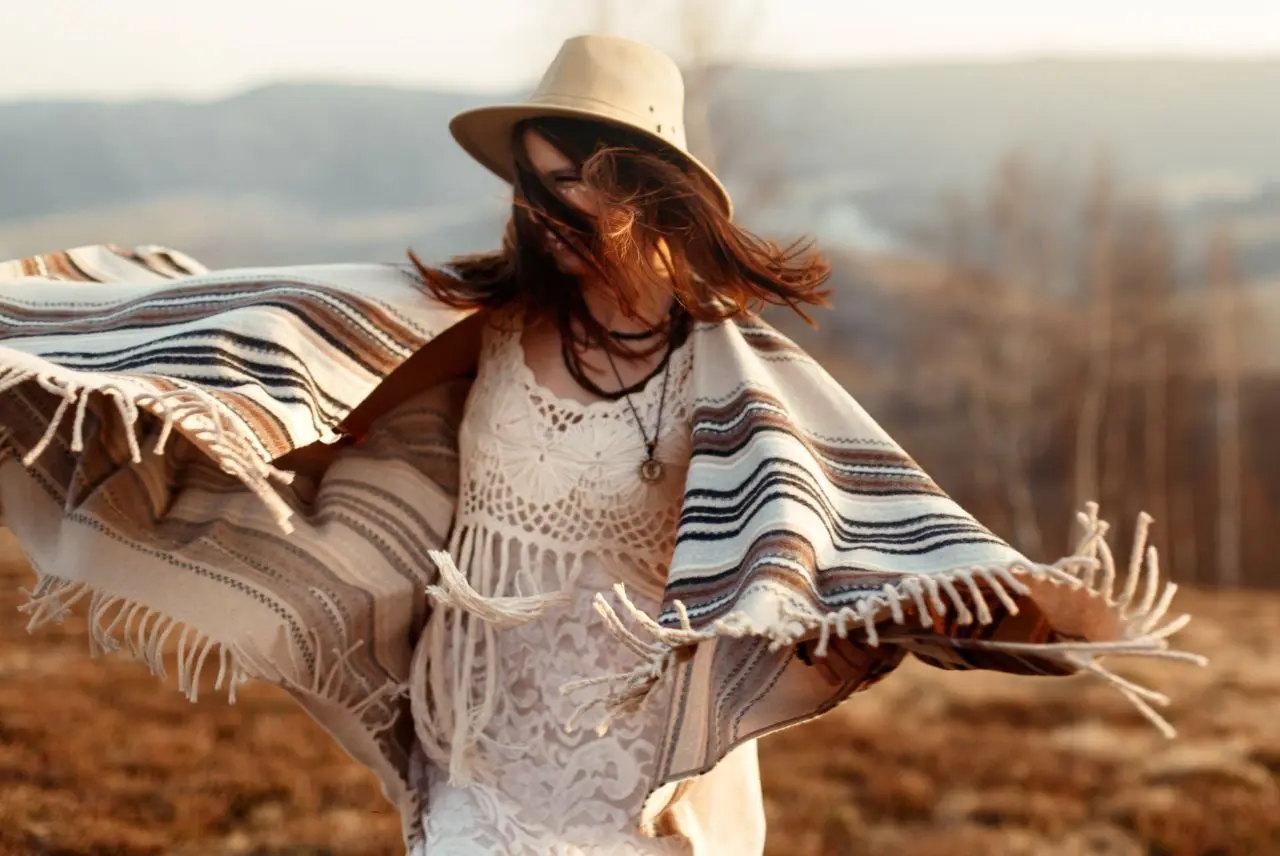
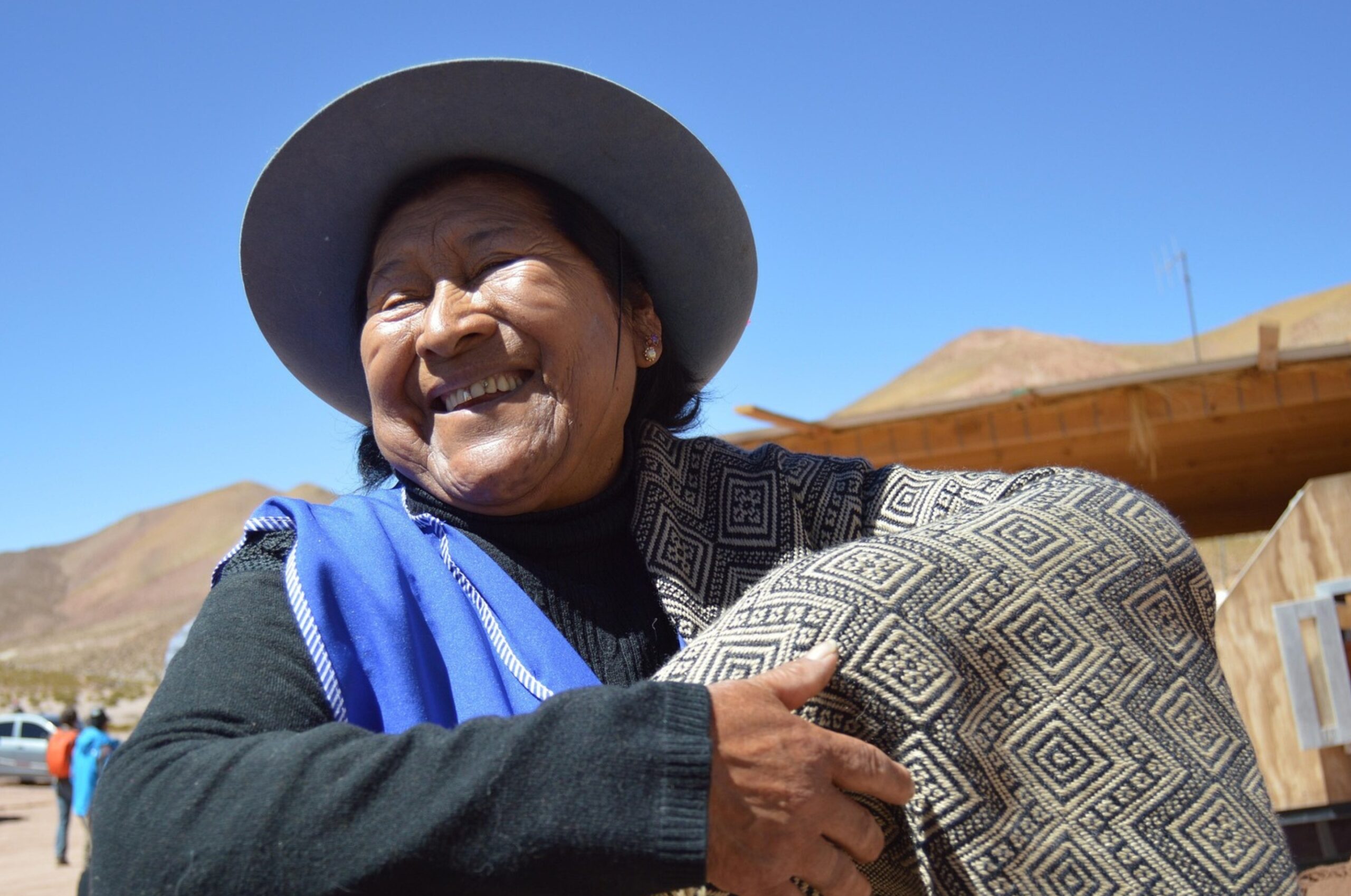
The traditional Mapuche poncho is typically made from wool, which is skillfully woven into beautiful, intricate patterns. This garment has long been associated with the Mapuche’s connection to the land and their pastoral lifestyle. The poncho served as both protection from the elements and a reflection of the Mapuche’s cosmology and social organization. Each poncho design was unique, with certain patterns and colors representing different clans or regions within the Mapuche community. The woven textiles are often adorned with symbols that hold deep cultural and spiritual meaning, connecting the wearer to their ancestors and the natural world.
During the Arauco War and the subsequent struggles against Spanish colonial forces, the poncho also became a symbol of resilience and defiance. Many Mapuche warriors wore their ponchos during battle, signaling their unity and their commitment to defending their land. Even today, the poncho is worn by Mapuche people, especially during important cultural ceremonies and gatherings. It serves as a reminder of the long history of resistance and survival that has defined the Mapuche people for centuries.
Language and Culture
One of the most significant aspects of Mapuche identity is their language, Mapudungun. Although Mapudungun is classified as a language isolate, meaning it has no known relation to any other language, it plays a central role in the cultural and spiritual life of the Mapuche people. The language is rich in oral traditions, with stories, myths, and songs passed down from generation to generation. Efforts are underway to revitalize Mapudungun, as it has seen a decline in speakers over the past century. Schools, community programs and cultural centers in both Chile and Argentina are working to preserve and promote the language.
Mapuche culture is deeply connected to their relationship with nature and their worldview is shaped by the concept of “Ñuke Mapu”, or the Mother Earth. The Mapuche believe that all living beings are interconnected and that the land must be respected and protected. This connection to the earth is reflected in their customs, ceremonies, and daily life. The Pewma, a spiritual dream, and the Ñilhuelün, a ceremony for the well-being of the community, are examples of spiritual practices that focus on harmony with the natural world.
The Mapuche also have a rich tradition of craftsmanship, including weaving, pottery and wood carving. Textile arts are particularly important, with women playing a central role in the production of “trariwe” (woven garments) that are not only functional but also rich in symbolism. The vibrant colors and intricate patterns often represent the Mapuche’s connection to their ancestors, their land and their cosmology. These textiles are still worn by many Mapuche today, especially during cultural festivals and ceremonies.
The Mapuche and the Struggle for Land
Land is at the heart of the Mapuche struggle for autonomy and cultural preservation. The loss of ancestral lands, a consequence of Spanish colonization and later state-sponsored land policies, remains a defining issue for the Mapuche people today. In the 19th century, large tracts of Mapuche land were forcibly taken by the Chilean and Argentine governments in the name of “settler colonialism”. This process intensified after the completion of Chile’s “Pacification of Araucanía” in the 1880s, which sought to forcibly integrate the Mapuche into the Chilean state.
Throughout the 20th century, the Mapuche continued to be marginalized as the Chilean and Argentine governments pursued land privatization policies, agrarian reforms and economic development projects. Large tracts of Mapuche land were sold off to private companies and landowners, many of whom engaged in logging, agriculture and mining. The Mapuche were often left without land or compensation for their ancestral territories.
In recent decades, the issue of land reclamation has been central to the Mapuche struggle for rights and autonomy. Many Mapuche communities have engaged in land occupations and protests to demand the return of their ancestral lands, especially in areas where large corporations have encroached upon their territory for agricultural, forestry, or hydroelectric projects. The Mapuche resistance movement continues to gain traction, both within Chile and Argentina, as well as internationally.
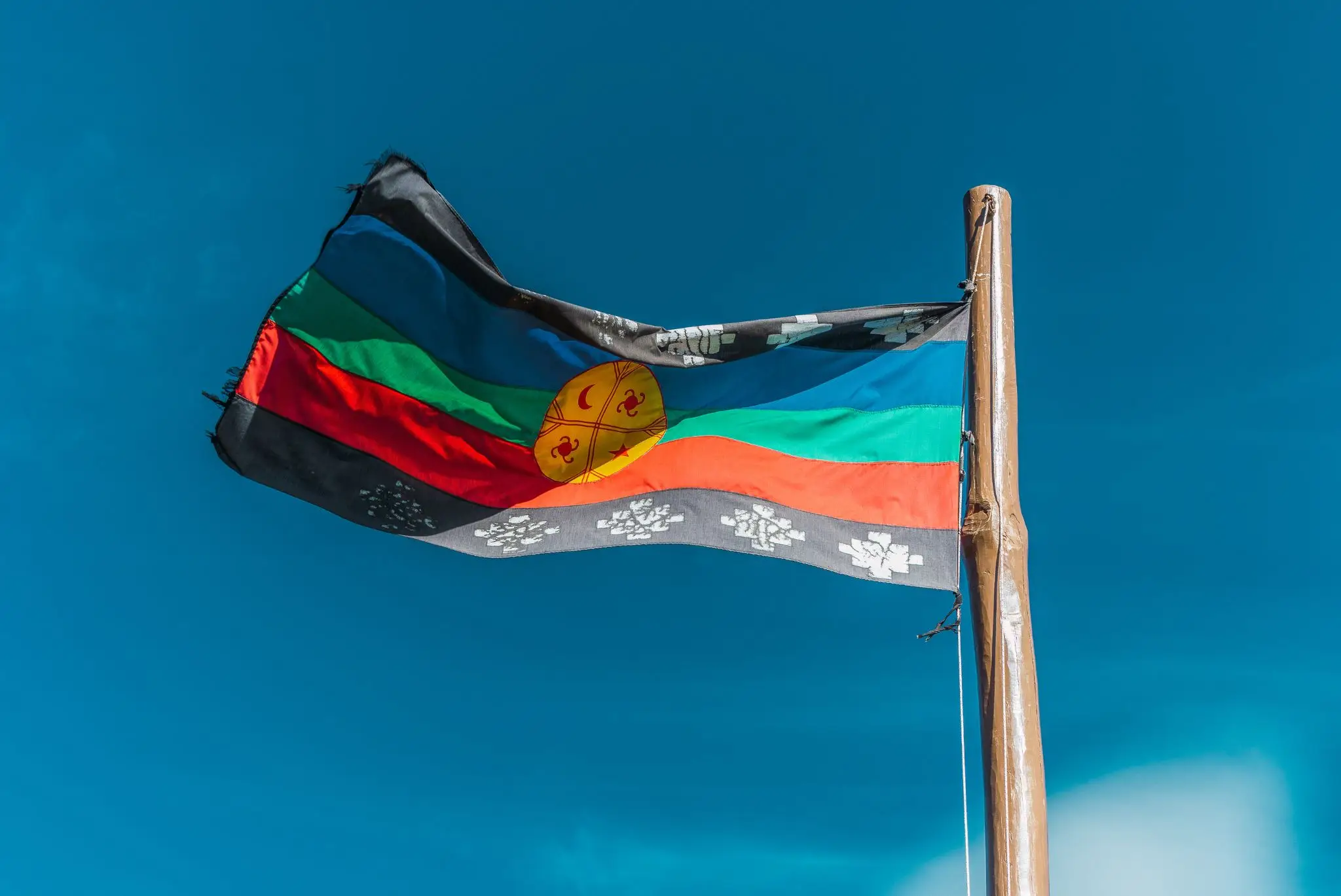
One of the most prominent symbols of the modern Mapuche struggle is the Mapuche flag, which consists of a symbol known as the “Wüñelfe” in the center, representing the sun, moon, and earth. This flag is used by many Mapuche activists to assert their cultural identity and demand recognition of their rights.
Government Support for the Mapuche
In recent years, the Chilean government has made significant efforts to address the issues faced by the Mapuche people, although these efforts have often been met with mixed responses. Chile’s political landscape has shifted, and the government has acknowledged the historical grievances of indigenous communities, including the Mapuche.
Under the government of President Michelle Bachelet (2006–2010 and 2014–2018), initiatives aimed at improving the conditions for indigenous groups were launched, including the Indigenous People’s Law and an increased focus on indigenous rights. The Chilean government has also allocated resources to preserve the cultural heritage of the Mapuche and to support their language revitalization efforts. One of the most notable steps taken was the Constitutional Reform of 2005, which recognized the country’s indigenous people, including the Mapuche, and their right to land and self-determination.
More recently, during President Sebastián Piñera’s administration, the government focused on conflict resolution through the Indigenous Affairs Ministry. This ministry worked to create frameworks for land negotiation and land restitution for Mapuche communities. However, despite these initiatives, much of the support has been criticized as insufficient and slow, especially in the face of violent confrontations between Mapuche activists and state authorities. In particular, the state’s military response to Mapuche land occupations and their demands for land restitution has been harsh, leading to ongoing tensions and distrust between the Mapuche people and the government.
In 2021, Chile’s Constitutional Convention made strides in incorporating indigenous rights into the new national constitution, a process that is still ongoing. This convention, a significant development for the Mapuche, is intended to give greater autonomy and recognition to indigenous communities, including the Mapuche, particularly in terms of their rights to land, language, and cultural preservation. As this process moves forward, many Mapuche leaders hope for meaningful change, ensuring that the state’s promises translate into tangible results for the communities.

Modern-Day Challenges and Resistance
The Mapuche resistance movement is not just about fighting for land; it is also about reclaiming their cultural heritage and asserting their identity in the face of centuries of colonialism and forced assimilation. Today, Mapuche activists work to raise awareness of their struggles on the international stage, seeking solidarity and support from indigenous groups around the world, as well as human rights organizations.
In Argentina, the Mapuche face similar challenges, particularly in the Patagonian region, where land disputes with the government and private companies over natural resources are ongoing. The Argentine government has made some concessions, but land rights and the preservation of Mapuche culture remain major issues.
The Mapuche political movement is an evolving force, one that is gaining momentum in the fight for self-determination, environmental justice, and respect for indigenous rights. The Mapuche continue to demand recognition not just as an ethnic group but as a political entity with the right to control their land, culture, and future.
Conclusion
The Mapuche people have faced incredible challenges throughout history, yet their cultural and political resilience remains a testament to their strength and determination. With a rich cultural heritage and a continued fight for land, autonomy and recognition, the Mapuche offer an important perspective on the ongoing struggles of indigenous peoples across the world.