


Natural shades of wool – why every poncho Is unique?
For centuries, natural wool has impressed with its durability, softness, and a palette of colors impossible to replicate artificially. Nature
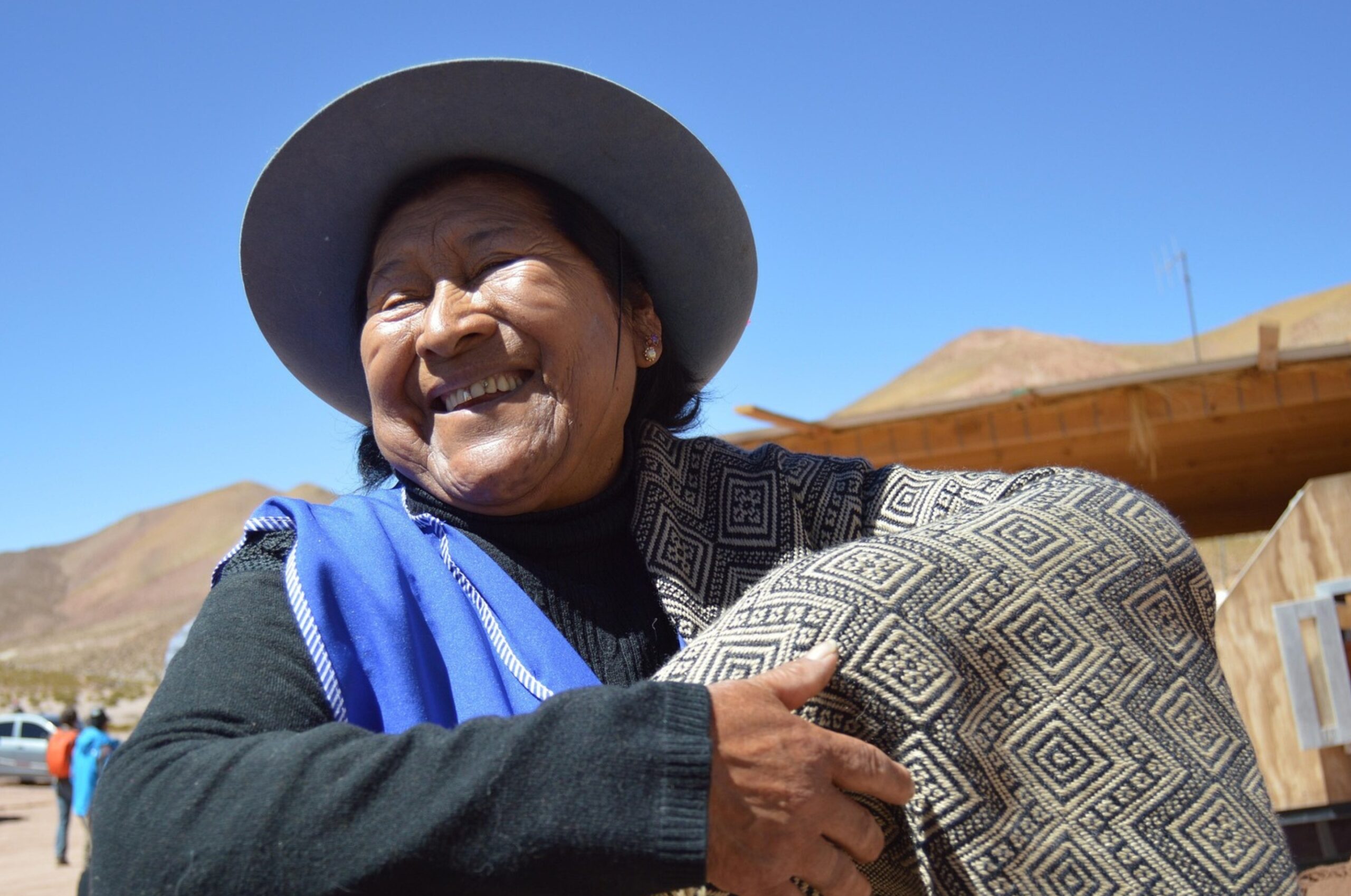
Imagine a land where the sun beats down relentlessly, the air is thin, and the earth is mostly dry, with patches of life sprouting in unlikely places. This is the Atacama Desert, one of the driest places on Earth. But within this harsh environment, a community has thrived for centuries—the Atacameño people. Also known as the Likan Antai, these desert dwellers have made this barren landscape their home, learning to survive and flourish between the towering Andes Mountains and the unending sands below.
The Atacameño’s culture is a blend of ancient traditions, spiritual practices, and a deep connection to the land that has sustained them through time. It’s a culture shaped by the desert’s extremes—where temperatures swing drastically from scorching heat during the day to freezing cold at night—and the Andes’ mighty presence, which looms over them like guardians.
Life for the Atacameño is closely tied to the rhythms of nature, and nowhere is this more evident than in their celebrations. They don’t just mark the passage of time; they celebrate their relationship with the land, the sun, and the heavens.
One of the most important events for the Atacameño is the Inti Raymi, the Festival of the Sun, which takes place during the winter solstice. This ancient festival honors Inti, the Sun God, who is believed to control the growth of crops and the health of the land. The ceremony is full of color, sound, and movement. Dancers in brightly colored costumes spin in time with the beat of drums, and the smell of roasting food fills the air. People come together to make offerings—such as corn, quinoa, and chicha, a traditional fermented drink made from maize—to ensure a good harvest and ask for the sun’s blessing.
The festival is more than just a celebration; it’s a way for the Atacameño to reaffirm their spiritual bond with the sun and the land. They believe that by honoring Inti, they’re ensuring the continuity of life in the desert, where every drop of water, every gust of wind, and every ray of sunlight is precious.
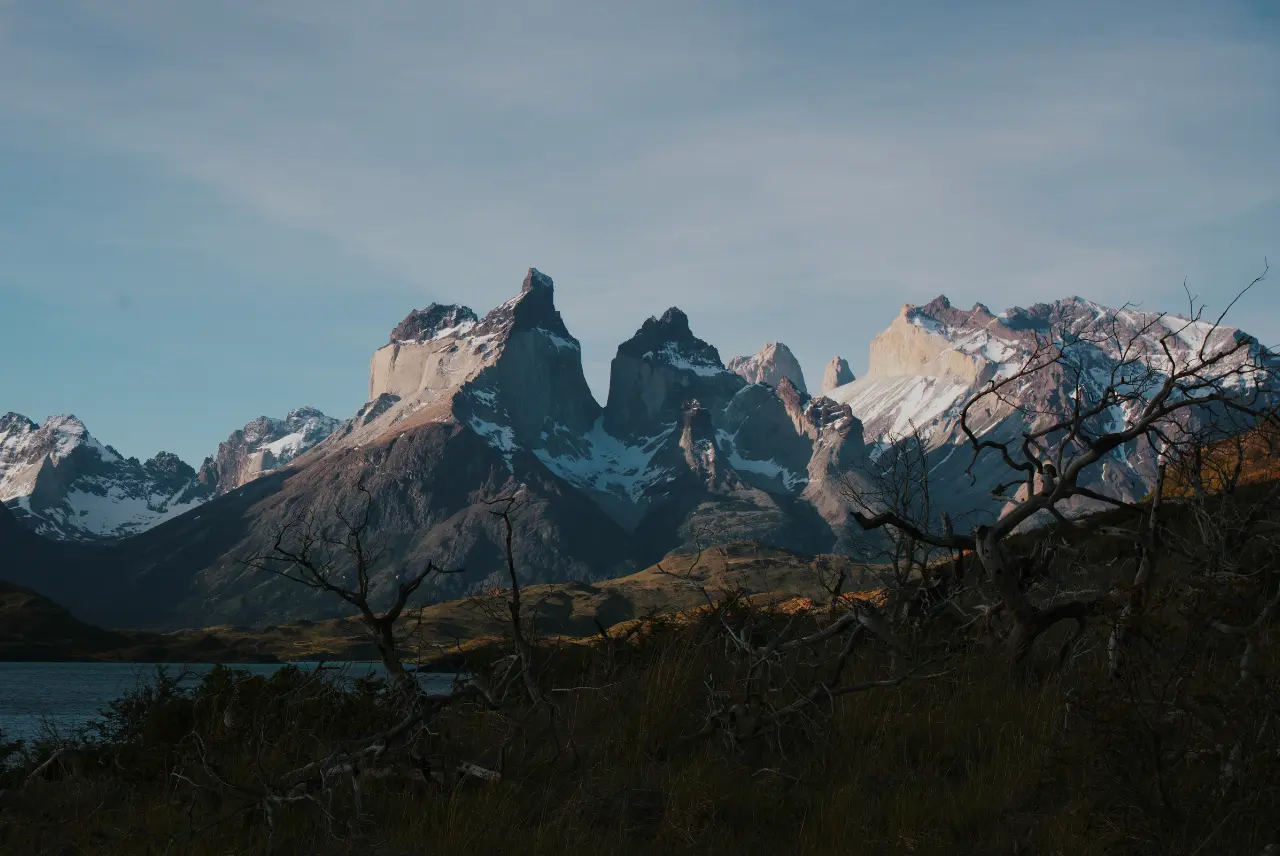
The Andes aren’t just a backdrop to life in the Atacama; they’re a vital part of the Atacameño worldview. The Licancabur Volcano, in particular, holds special significance. For the Atacameño, Licancabur is not just a mountain—it’s a sacred place, the seat of their ancestors and a doorway to the spiritual world. It’s said that the spirits of the ancestors live in the peaks of the Andes, watching over the people.
Climbing Licancabur is not just about reaching the summit; it’s about connecting with the gods and the earth. In ancient times, the Atacameño made pilgrimages to the top of the volcano, bringing offerings of salt and copper, the treasures of the desert. These materials were seen as powerful, representing the strength and protection the Atacameño sought from the mountains.
Today, the mountain remains a symbol of their resilience. Its imposing peak is a reminder of the deep connection the Atacameño feel toward their environment—both the beauty and the challenges it brings.
The Atacameño people’s skills in crafting and weaving are another essential aspect of their culture. They don’t just create things for utility; their textiles and art are filled with meaning, each piece representing something much deeper than mere decoration.
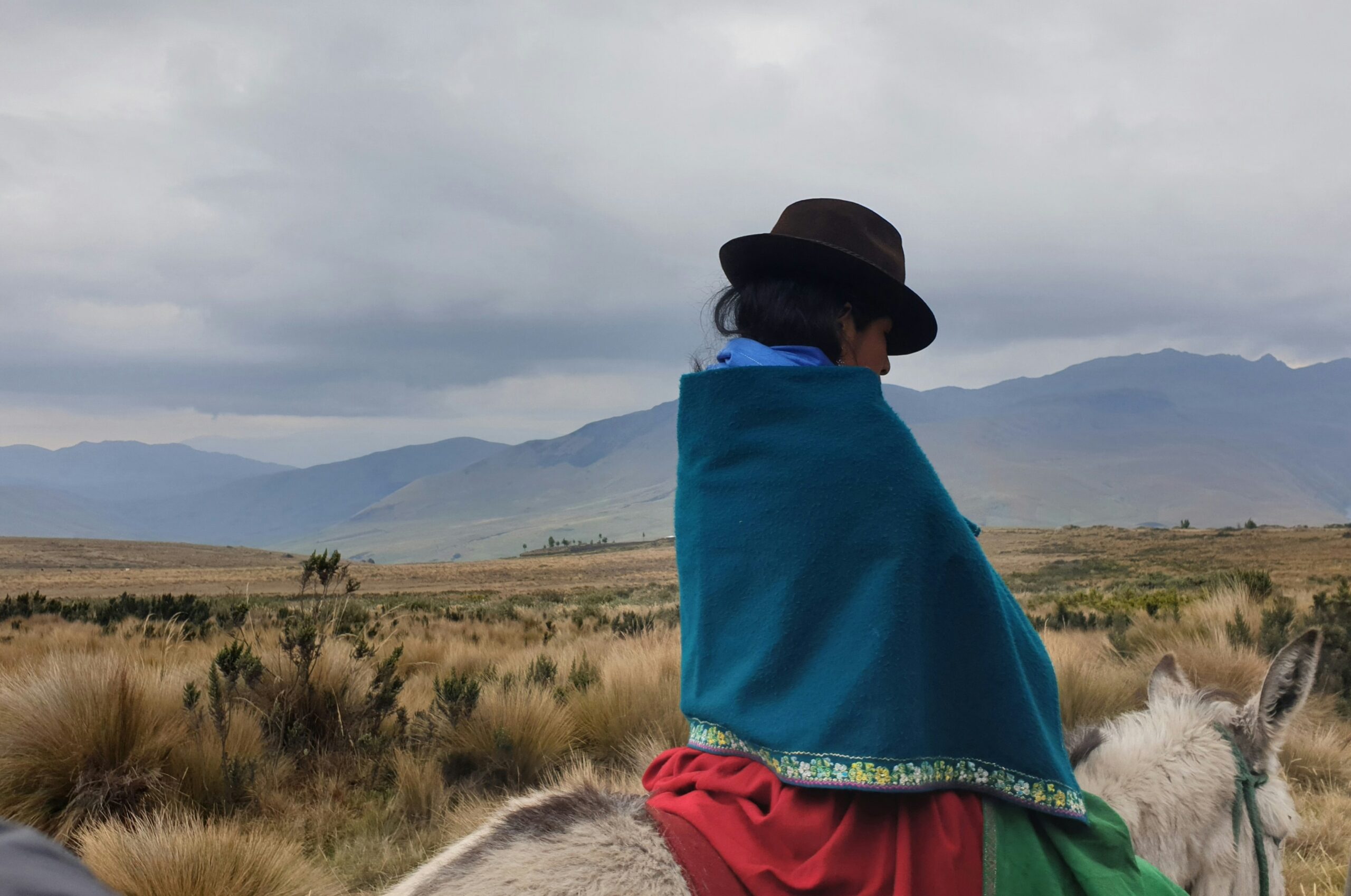
Their weavings are often made from llama wool, dyed with natural pigments from the desert and surrounding plants. The colors—red, yellow, blue, and black—are rich and vibrant, and the patterns are often inspired by the land, the mountains, and the stars. These textiles serve not only as clothing but also as a visual language that connects the Atacameño to their ancestors and to the cosmos. The geometric shapes in their weavings are symbolic, telling stories about the natural world and the spiritual beliefs that guide them.
When you look at their textiles, you see more than just a beautiful piece of art. You’re looking at a story—a representation of their history, faith, and connection to the earth. This tradition of weaving is passed down through generations, ensuring that the culture remains alive and vibrant, even in the face of modern challenges.
Living in the Atacama Desert means being constantly in tune with the environment. The Atacameño have learned to adapt to one of the harshest climates on Earth, using traditional agricultural practices and innovative solutions to make the most of what little the land provides.
One such practice is the use of irrigation systems. The Atacameño have developed complex systems of canals and water management, allowing them to grow crops like corn, potatoes, and quinoa in a desert that receives very little rain. These irrigation systems, which date back centuries, show the ingenuity and resourcefulness of the Atacameño in using the land’s natural resources in sustainable ways.
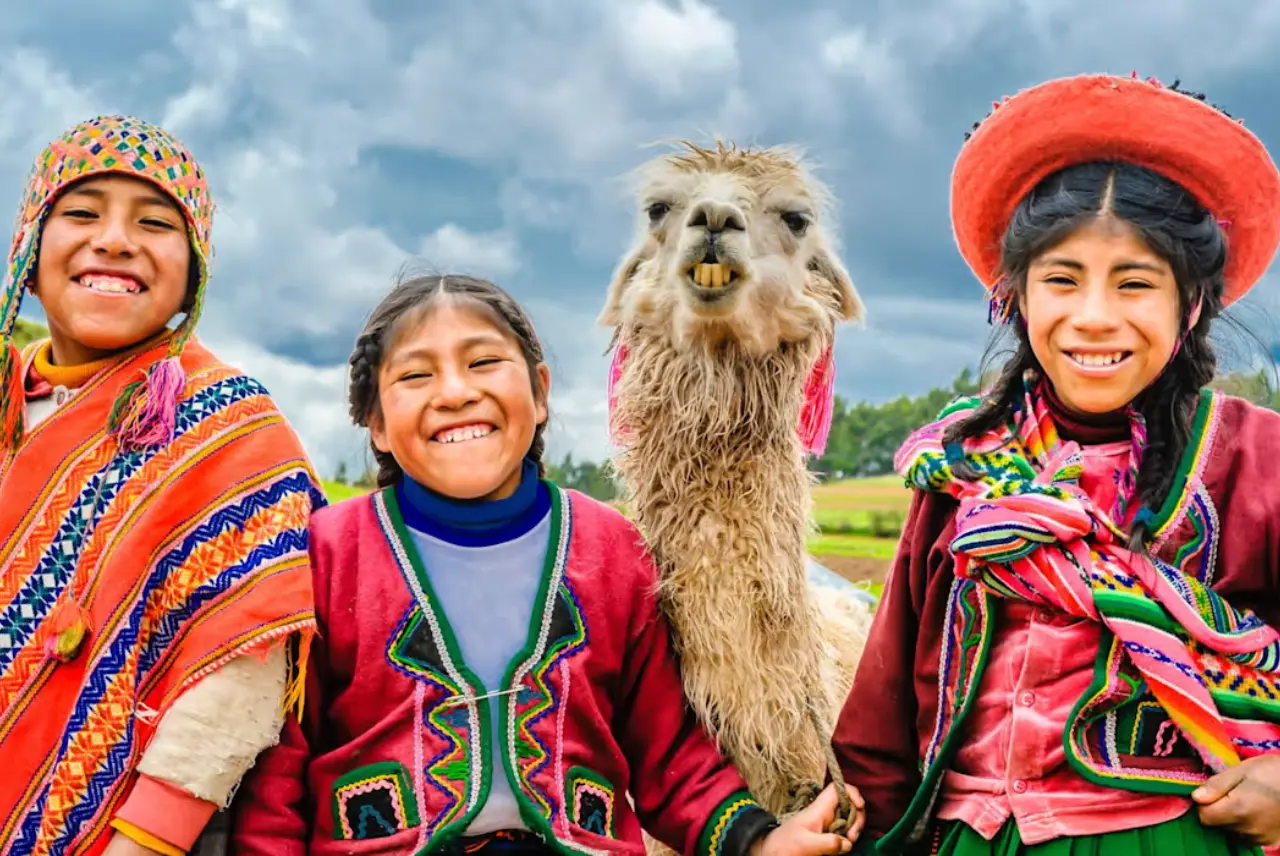
The Atacameño also rely heavily on llamas for transport, wool, and even food. These animals are an integral part of life in the desert, able to carry heavy loads over long distances and provide warmth through their wool. Llamas are more than just livestock—they’re companions in the harsh desert environment, helping the Atacameño navigate the difficult terrain of the Atacama.
The Atacameño people are not a culture trapped in the past; they continue to adapt and evolve, but always with a deep respect for their heritage. Their traditional ceremonies, rituals, and beliefs are still practiced today, whether in the desert villages of San Pedro or in the smaller, more remote communities across the region.
For the Atacameño, life is about balance—between the desert and the mountains, the old ways and the new. As they move forward, they continue to honor the spirits of the land, celebrate the sun’s warmth, and weave the stories of their ancestors into the fabric of their daily lives

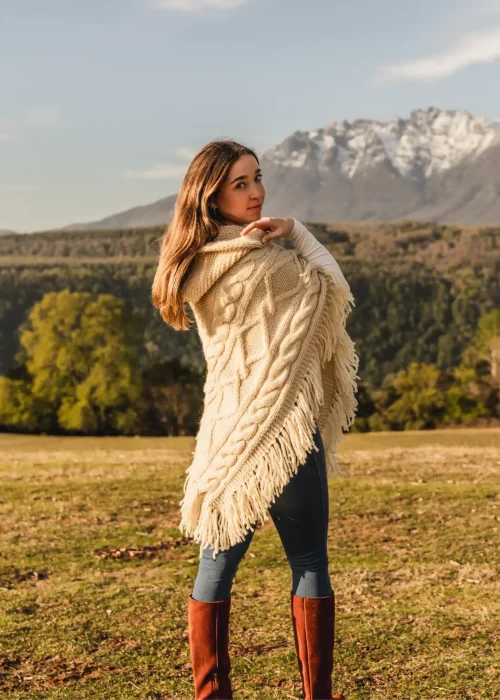





For centuries, natural wool has impressed with its durability, softness, and a palette of colors impossible to replicate artificially. Nature
The Andes Mountains, often called the “backbone of South America,” are much more than a geographic feature—they are the heart

A Deep Dive into History, Culture and Identity The Mapuche, one of South America’s most significant indigenous peoples, have a