


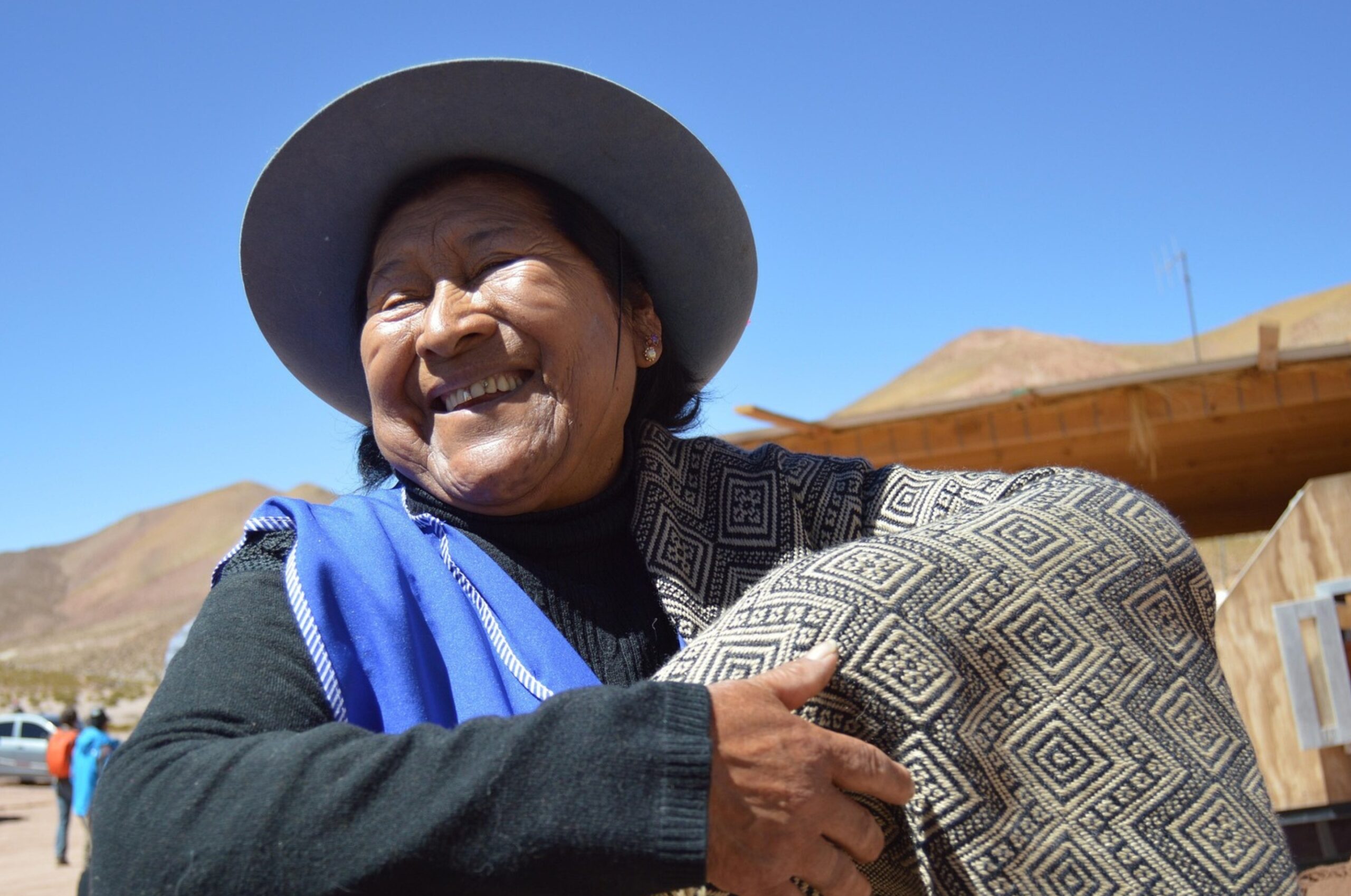
Atacameño
The Atacameño People: Life Between the Desert and the Andes Imagine a land where the sun beats down relentlessly, the

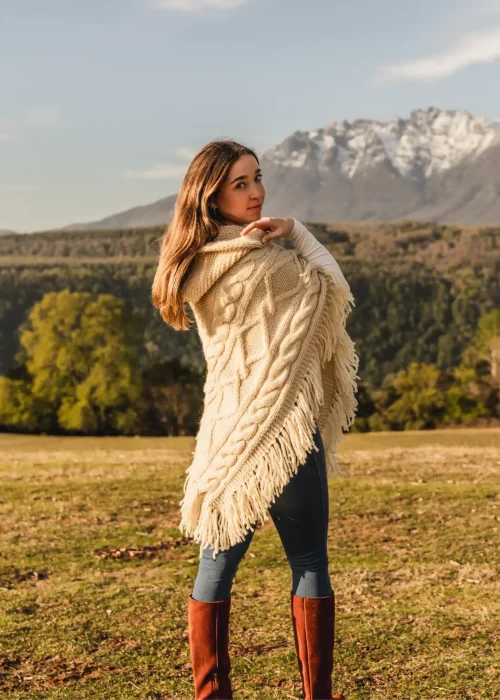
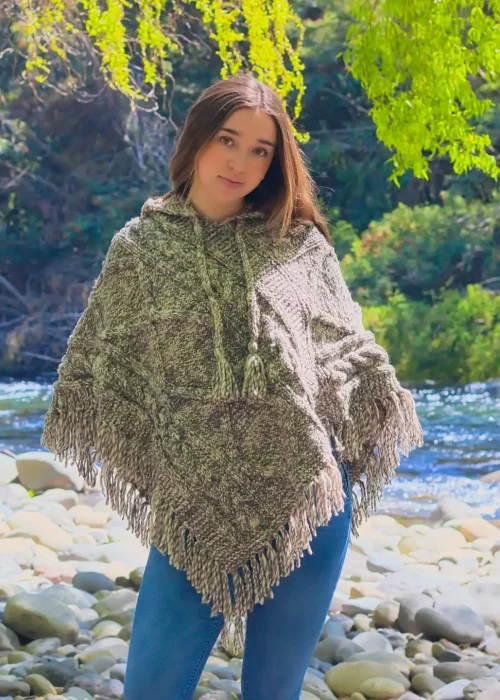
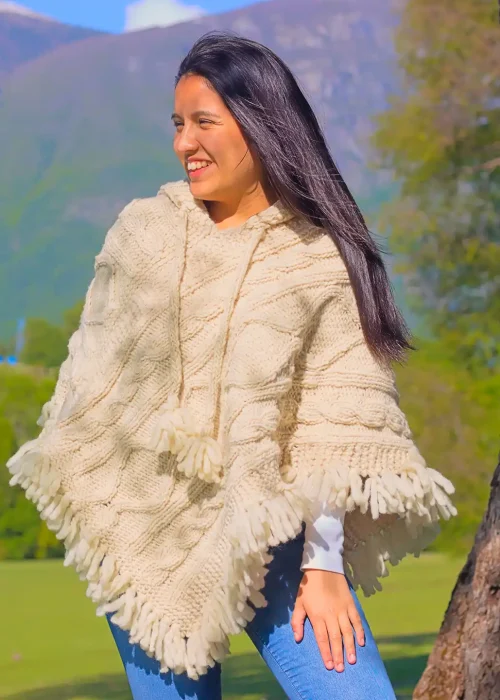
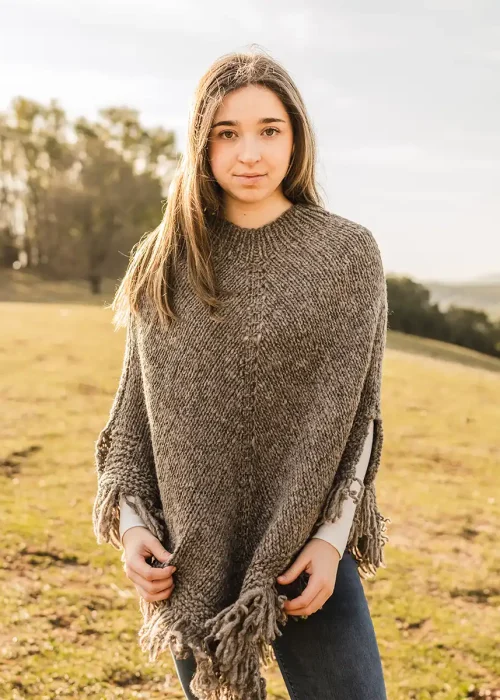
For centuries, natural wool has impressed with its durability, softness, and a palette of colors impossible to replicate artificially. Nature determines its tones: light, soil, vegetation, altitude, and sheep breed together create subtle hues ranging from ecru to deep brown. At Rise of Andes, we consciously embrace this diversity—allowing the material to “speak in its own voice.” As a result, every wool poncho keeps its unique character: delicate shade variations, soft transitions, and the lively texture of the fibers. In a world of mass production, this natural individuality makes our products authentic and timeless. It is fashion that does not shout trends; it is a story of origin, patience, and craftsmanship that give garments meaning beyond a single season.
The colors of wool are the outcome of nature and time working together. Sheep breed (such as local lines adapted to the Andean climate), altitude, the plant composition of the pastures, and even the amount of sunlight in a given season—all of these affect the final shade of the fleece. Natural sheep wool can be creamy, sandy, ash-grey, or chocolate-brown; there are strands with cooler reflections or warmer notes. When artisans spin fibers without harsh chemicals, they preserve this original depth. As a result, a wool poncho needs no synthetic dyes to look refined. These are colors that do not fade artificially—they age beautifully, like wood or leather, adding character and history to the fabric.
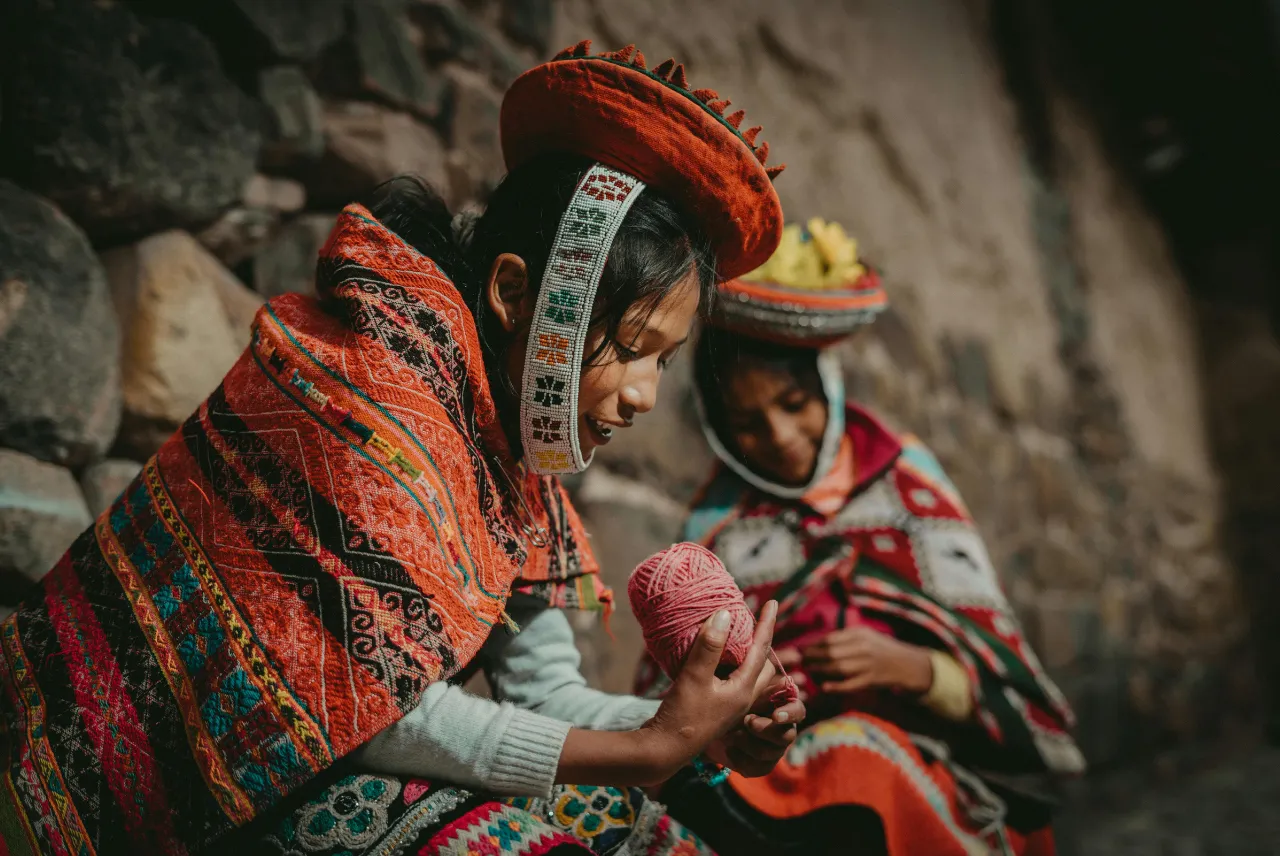
Hand shearing, gentle washing with natural agents, carding, spindle spinning—each stage of fabric creation is designed to preserve the most precious qualities of the raw material. That is why finished women’s ponchos display such vivid color: the fibers are not overheated, overly bleached, or excessively smoothed. The structure remains springy, and tiny irregularities reflect light in a subtle way, especially visible in natural half-tones. When we say that every wool poncho is unique, we mean more than just the weaving pattern—it is that nature has recorded in its color and texture a specific year, weather, and place. Craftsmanship reveals this story instead of covering it.
Although we rely on what nature provides, artisans sometimes use traditional plant-based dyeing to highlight or deepen wool’s natural shades. Bark, leaves, roots, and spices (such as turmeric or local tree species) are used, with no aggressive chemicals involved. Thanks to this, the fibers remain flexible, breathable, and thermoregulating, and the fabric keeps its natural look—not “flat” but multidimensional. This method works in harmony with the material rather than overpowering it. The result? A wool poncho with uneven color, soft transitions, and a lightness impossible to achieve with synthetic dyes. It is the aesthetics of imperfect perfection: beauty emerging from subtle differences rather than mechanical uniformity.
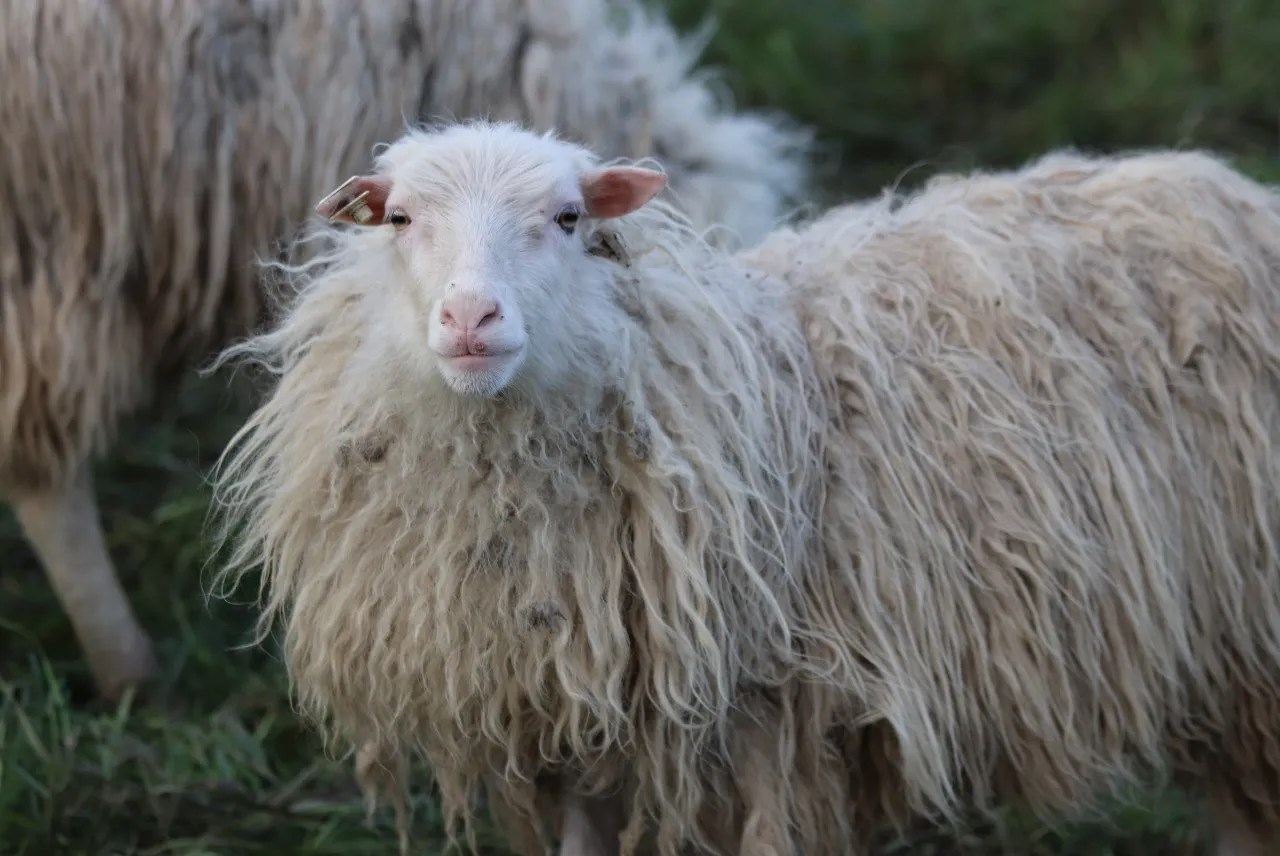
Several factors shape uniqueness: the natural irregularity of fleece, hand-spun yarn with slight variations in thickness, the tension of the thread during weaving, and micro‑differences in humidity and temperature while drying. Each of these leaves a mark on the look and feel of the fabric. Two pieces in the same color variant will never be “photocopies”—they will be sisters, not twins. Choosing a wool poncho means choosing something more personal than a size number: you choose character. This authenticity is what makes our women’s ponchos so pleasant to wear—they are gentle on the skin, warm for the body, and truthful to the eye. And truth is something you can see from afar, even in a simple, toned color.
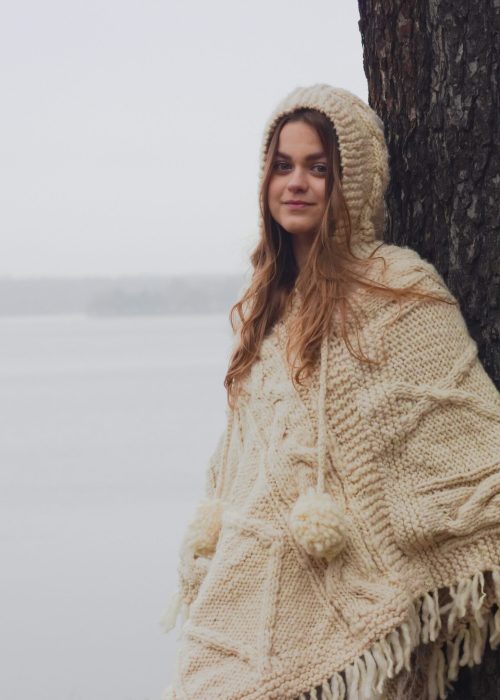
Stylistically, natural shades are extremely versatile: they pair easily with white, black, denim, suede, or wood. A single wool poncho can replace several layers—it matches dresses, sweaters, and even lightweight jackets. Care is simple: air more often than wash, use gentle cleansers, and dry flat. These steps help preserve both color depth and fiber elasticity for many years. If you prefer practicality, choose a hooded poncho; if you like minimalist elegance, go for a classic cut without extras. Regardless of the choice, natural wool rewards you with durability and comfort, and a wool poncho will remain your favorite wardrobe piece not only this winter but for many seasons to come.


The Atacameño People: Life Between the Desert and the Andes Imagine a land where the sun beats down relentlessly, the
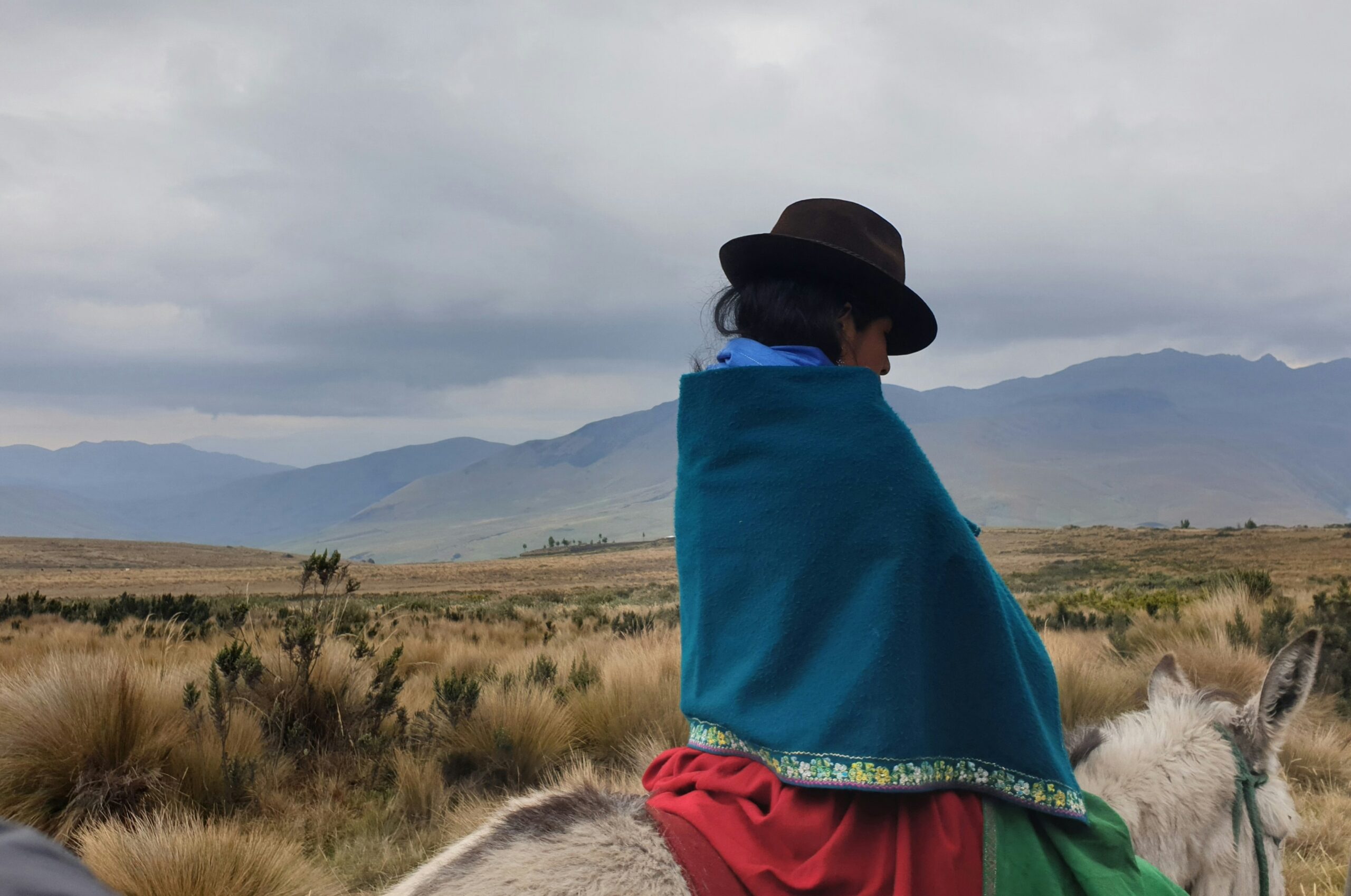
The Andes Mountains, often called the “backbone of South America,” are much more than a geographic feature—they are the heart

A Deep Dive into History, Culture and Identity The Mapuche, one of South America’s most significant indigenous peoples, have a