


Natural shades of wool – why every poncho Is unique?
For centuries, natural wool has impressed with its durability, softness, and a palette of colors impossible to replicate artificially. Nature
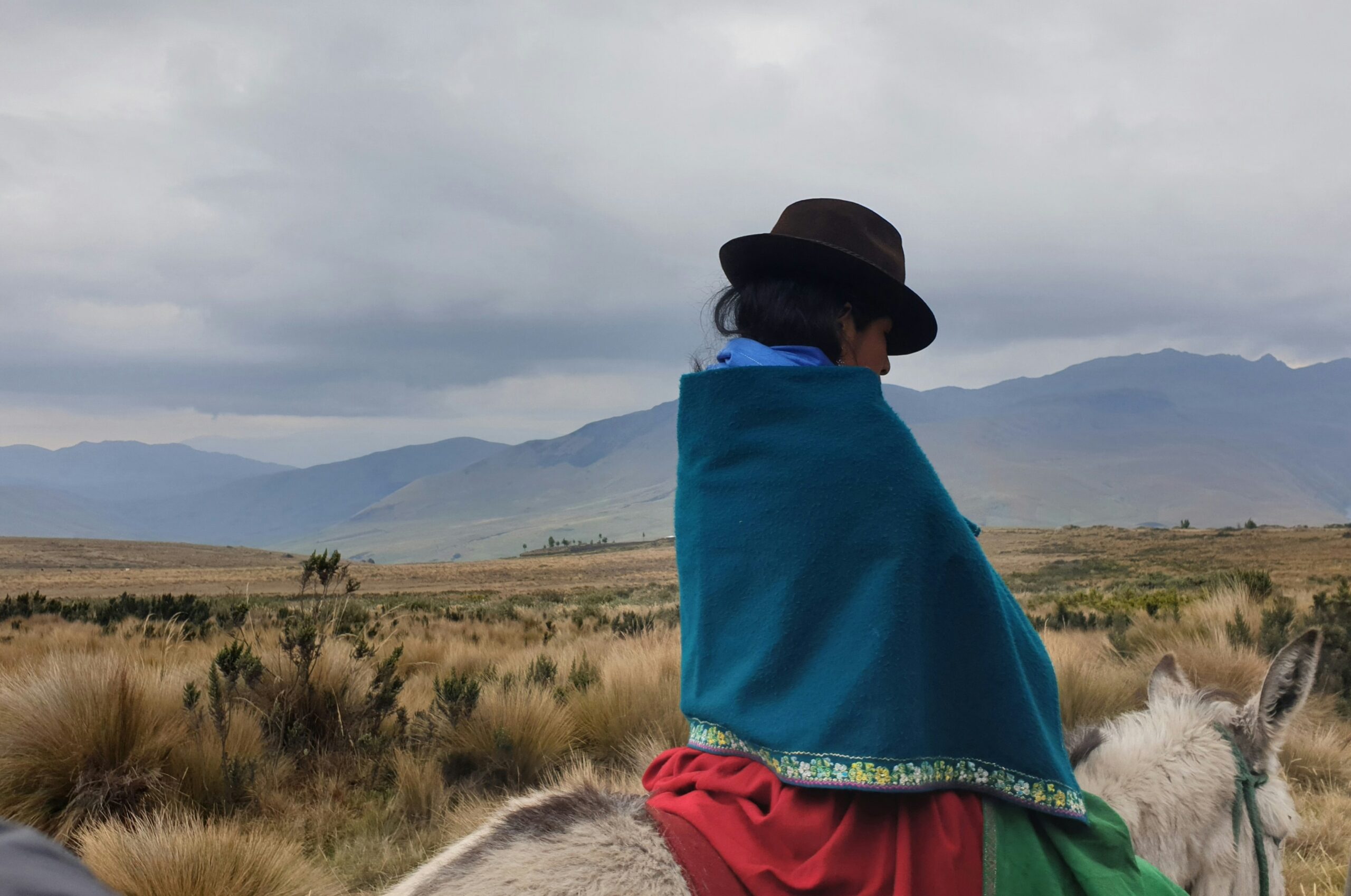
The Andes Mountains, often called the “backbone of South America,” are much more than a geographic feature—they are the heart of a vibrant and diverse collection of indigenous cultures. Stretching over 7,000 kilometers along the western side of the continent, from Venezuela to Chile, the Andes are home to some of the most resilient and inspiring people on Earth. These cultures, which have flourished for millennia, offer us a glimpse into a world where spirituality, respect for nature, and communal living shape daily life.
The Andes are not merely a mountain range; they are the spiritual and physical foundation of the indigenous peoples who have called them home for thousands of years. For these people, the mountains are sacred living, breathing entities that embody the spirits of the land and the ancestors. The reverence for the natural world is central to the Andean worldview, which sees humans as part of a larger, interconnected cosmos.
In Andean spirituality, the mountains are seen as Apus, powerful gods that watch over the land and provide guidance and protection. The Pachamama, or Mother Earth, is the nurturer and protector, giving life to the crops that sustain the people. This profound spiritual connection to nature is not only a source of strength but a guiding principle for the survival and thriving of Andean cultures.
Machu Picchu, perhaps the most famous of all Incan sites, is a testament to the Inca people’s deep spiritual connection with the land. Perched high in the Peruvian Andes, the citadel was not just a place of living and governance, but a sacred site where the Inca performed rituals to honor the Apus. The Incas built their cities with a deep understanding of the land, aligning structures with celestial bodies and maintaining harmony with the natural world.
The Inca Empire, which reached its peak in the 15th century, was one of the most advanced civilizations the world has ever known. But the Inca were not just conquerors; they were deeply spiritual people who viewed themselves as children of the Sun God, Inti. The Sapa Inca, the emperor, was believed to be the direct descendant of Inti, and as such, was tasked with ensuring the balance between the people and the natural world.
The Inti Raymi festival, celebrated every year on the winter solstice, is one of the most important events in Inca tradition. The festival honors Inti and is a time to give thanks for the harvest and pray for the sun’s return to warm the Earth. In modern-day Peru, the festival is still celebrated in Cusco, where thousands of people come together to honor the ancient traditions of their ancestors.
But the Inca’s influence goes beyond their spiritual practices. They were master builders, engineers and farmers. They constructed vast road systems that spanned across the empire, allowing for communication and trade to flow freely. Their agricultural terraces, which were carved into the steep mountainsides, allowed them to cultivate a variety of crops at different altitudes, making use of the region’s diverse microclimates.
The Inca agriculture system is still admired today. They domesticated crops like the potato, which originated in the Andean highlands and became a staple food across the world. The quinoa grain, now hailed as a superfood, was also cultivated by the Inca and other Andean peoples. These crops provided not only nourishment but also a sense of self-sufficiency that allowed Andean societies to flourish for centuries.
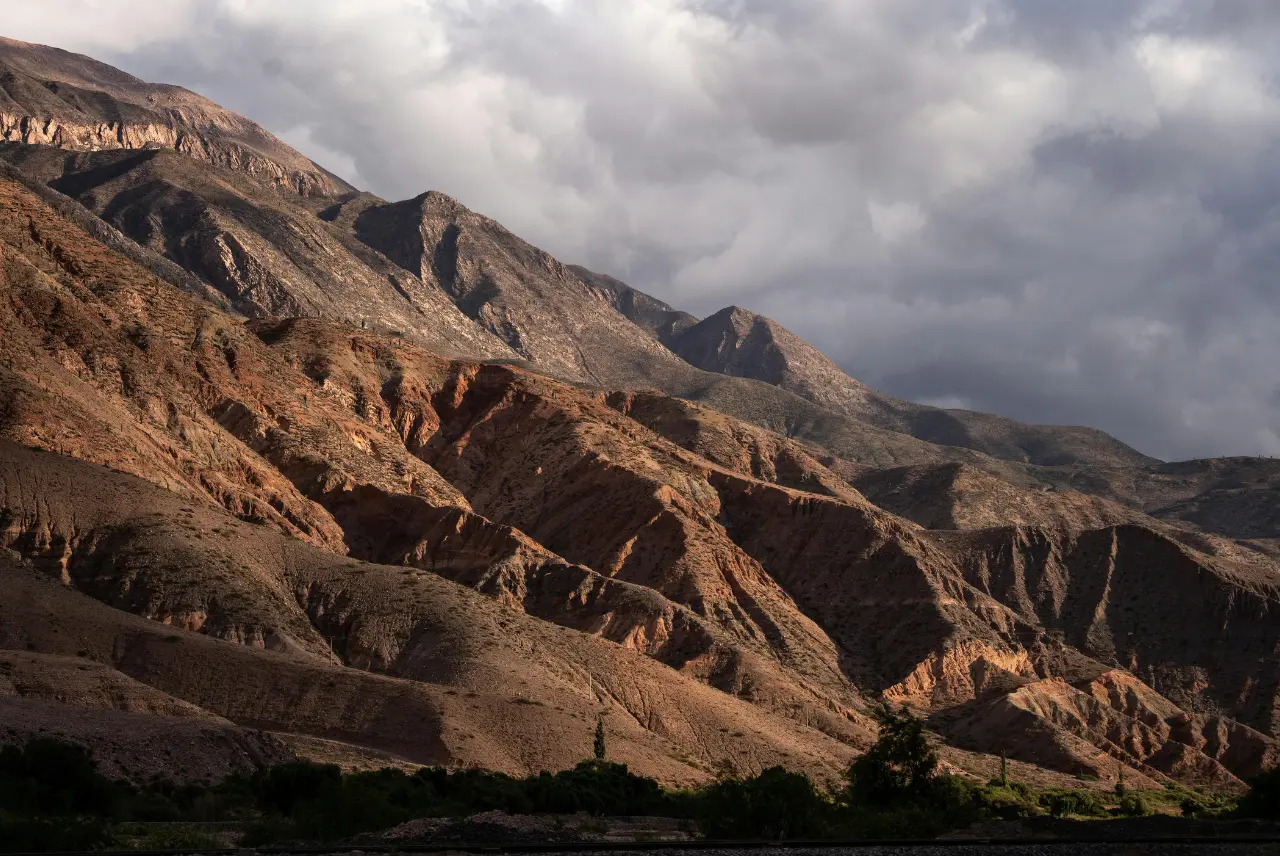
While the Inca Empire is perhaps the most famous civilization of the Andes, the Aymara and Quechua people—descendants of the Inca and their neighbors—continue to live in the high-altitude regions of the Andes today. Both cultures share many traditions with the Inca, such as the reverence for Pachamama and the Apus, but they also maintain distinct identities and languages that reflect their unique histories.
The Aymara people, who inhabit the regions around Lake Titicaca in Bolivia, Peru, and Chile, are known for their agricultural expertise. They have been cultivating the land for over 3,000 years, developing techniques to grow crops at altitudes over 4,000 meters above sea level. Their knowledge of high-altitude farming is not only a testament to their resilience but also a valuable resource in the face of climate change, as these techniques can be adapted to other regions facing similar challenges.
The Quechua people, whose language was once the lingua franca of the Inca Empire, are spread across Peru, Ecuador, Bolivia, and Colombia. Today, Quechua is still spoken by millions of people, making it the most widely spoken indigenous language in the Andes. The Quechua are known for their textiles, intricate weaving and pottery, which are imbued with spiritual meaning and often depict stories from the natural world. These handmade goods are not merely products—they are expressions of identity, culture and a deep connection to the land.
Both the Aymara and the Quechua maintain close-knit communities where the values of Ayni (reciprocity) and Minka (communal labor) govern their way of life. These values emphasize mutual support, cooperation and a collective responsibility to care for the land and one another. This spirit of cooperation is a cornerstone of Andean culture, allowing communities to thrive even in the harshest conditions.
While the Inca, Aymara, and Quechua dominate the central and northern Andes, the Mapuche people have made their home in the southern Andes, primarily in Chile and Argentina. The Mapuche have a long history of resistance against foreign powers, including the Spanish during the colonial period and the Chilean and Argentine governments in the modern era. Their fierce resistance to external domination has earned them a reputation as one of the most resilient indigenous groups in South America.
The Mapuche believe in a spiritual connection to the land, which they call “Ñuke Mapu” (Mother Earth). They see the Earth as a living, breathing entity that must be respected and cared for. Their traditional ceremonies, such as the Ngillatun ritual, are an expression of this connection, as well as a way to ask for blessings from the spirits of the Earth, the sky and the ancestors.
Despite centuries of colonization and oppression, the Mapuche continue to fight for their land and their culture. They have been at the forefront of movements for indigenous rights, land reclamation, and political autonomy. The Mapuche’s struggle is a powerful reminder of the enduring strength and resilience of indigenous peoples worldwide.
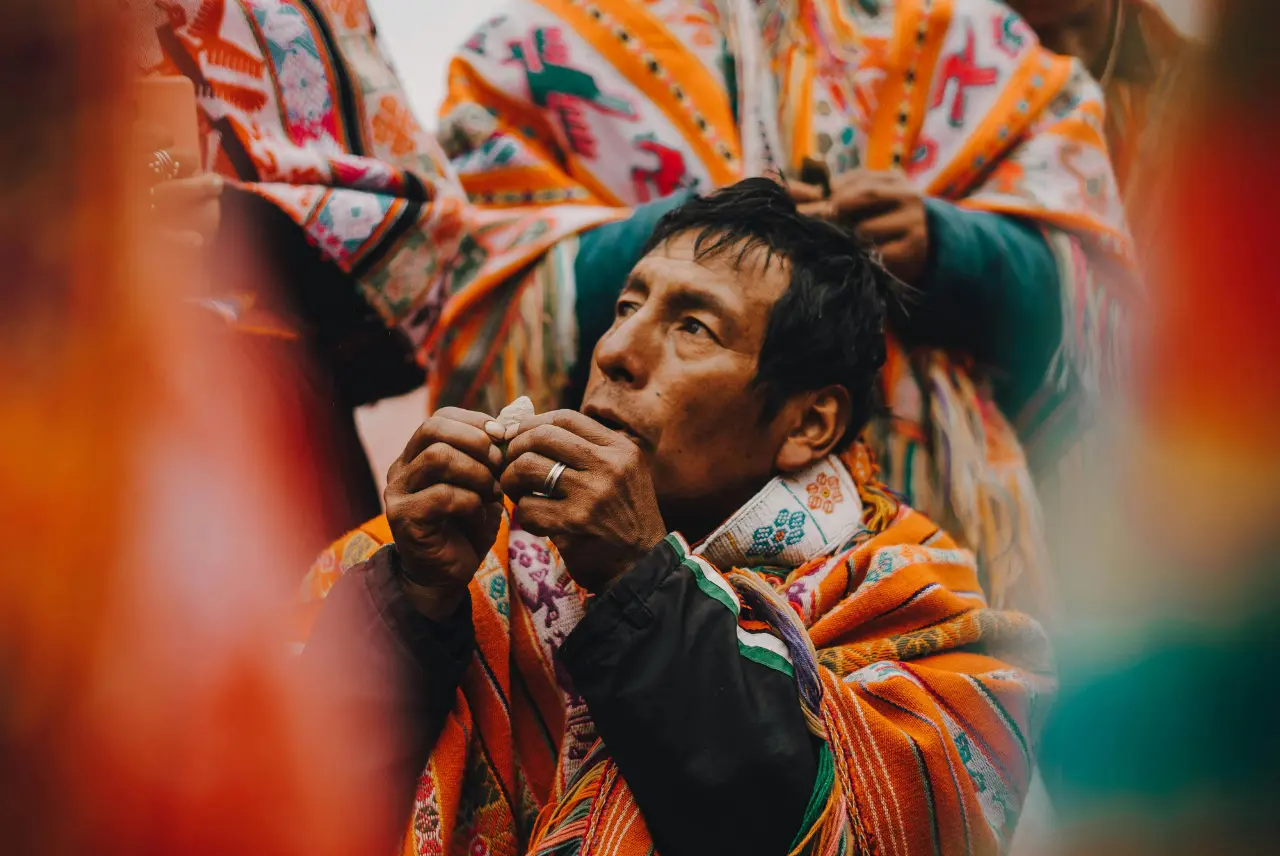
One of the most inspiring aspects of Andean cultures is their emphasis on community and collective well-being. While modern society often prioritizes individualism, the indigenous peoples of the Andes continue to embrace the concept of the communal life, where each person’s well-being is intertwined with that of the community.
In rural Andean villages, communal labor—known as Ayni or Minka—is a way of life. This labor system is based on reciprocity, where individuals help each other with tasks like farming, building homes, or harvesting crops, knowing that the favor will be returned when needed. This system strengthens social bonds and ensures that no one is left behind, even in the face of hardship.
Beyond labor, Andean communities have a deep connection to their traditional practices and festivals. Inti Raymi, the Festival of the Sun, remains a central event in many Andean communities, celebrating the cycle of the sun and the Earth. These festivals are not only a way to honor the gods but also an expression of collective identity, where the entire community comes together to celebrate their shared history, beliefs and way of life.
The indigenous peoples of the Andes offer many valuable lessons for the modern world. From their deep connection to the land and the cosmos to their communal way of life, Andean cultures remind us of the importance of sustainability, community and resilience in the face of challenges.
In an era marked by climate change, economic inequality, and social fragmentation, the Andean way of life offers a powerful antidote to the problems that plague modern society. Their sustainable agricultural practices, respect for nature and emphasis on communal cooperation offer models that could help us build more resilient, equitable and sustainable communities around the world.
The Andes, with their soaring peaks and ancient traditions, stand as a living testament to the enduring strength of indigenous cultures. As we look toward the future, let us take inspiration from the Andean peoples, whose resilience, wisdom and connection to the earth offer a beacon of hope for a better, more sustainable world.

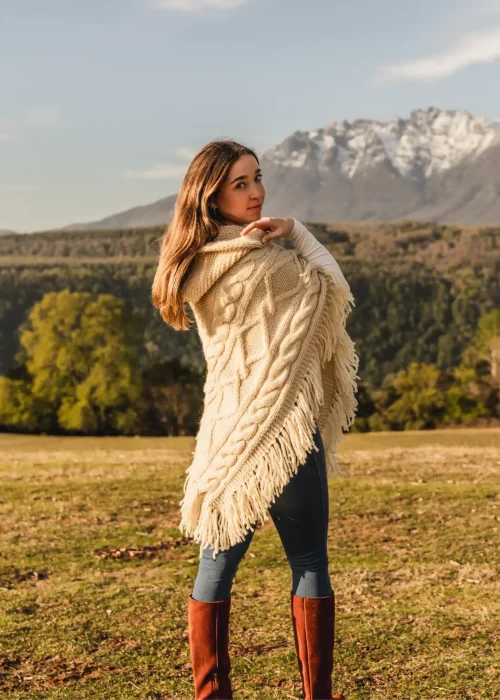





For centuries, natural wool has impressed with its durability, softness, and a palette of colors impossible to replicate artificially. Nature
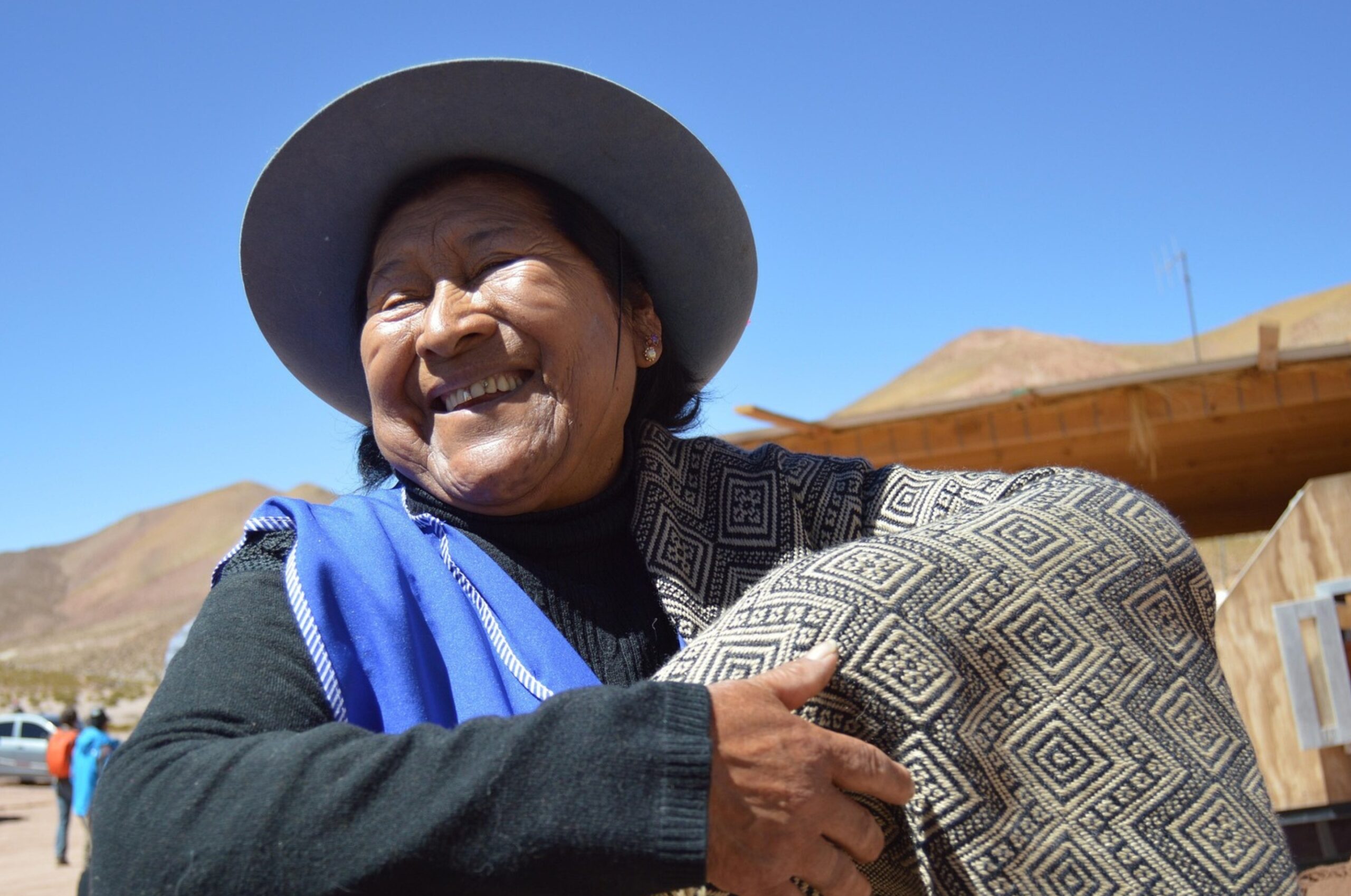
The Atacameño People: Life Between the Desert and the Andes Imagine a land where the sun beats down relentlessly, the

A Deep Dive into History, Culture and Identity The Mapuche, one of South America’s most significant indigenous peoples, have a