


Natural shades of wool – why every poncho Is unique?
For centuries, natural wool has impressed with its durability, softness, and a palette of colors impossible to replicate artificially. Nature
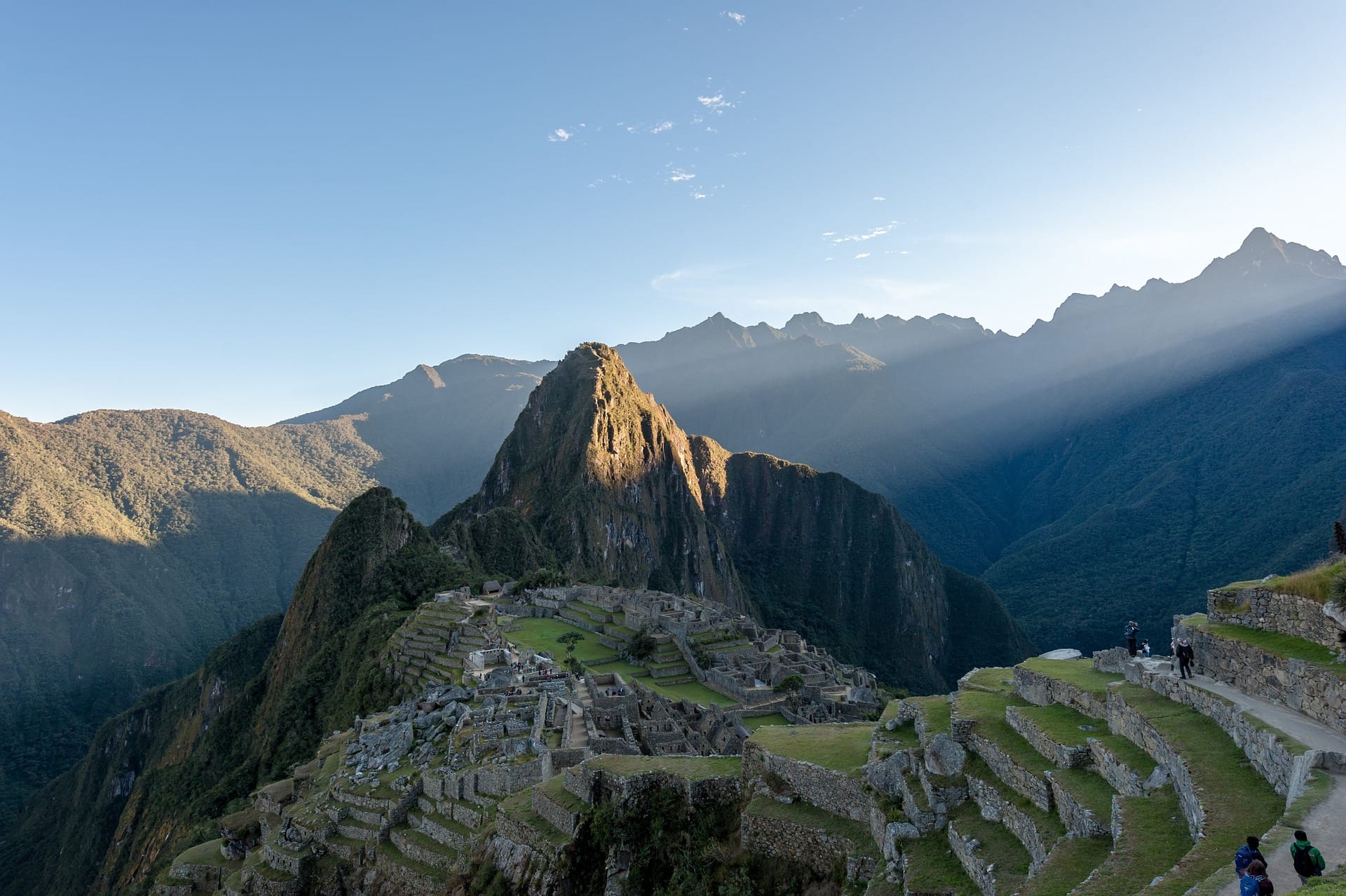
Quechua, the principal language of the Incas, has deep roots long before the rise of the mighty Inca Empire. As the Incas built their vast and powerful civilization, they adopted Quechua as their primary language, using it to unite a diverse and expansive population. The Inca Empire spanned a vast portion of South America, from modern-day Colombia in the north to Chile and Argentina in the south, and Quechua played a critical role in binding together the various cultures and regions of the empire. Despite the Spanish conquest in the 16th century and their efforts to replace indigenous languages with Spanish, Quechua has endured, flourishing through centuries of change, and has managed to survive against cultural erasure. Its resilience is a testament to its deep cultural and social importance.
Quechua is spoken in countries such as Argentina, Bolivia, Brazil, Chile, Colombia, Ecuador, and even parts of northern Chile and southern Colombia. It has an estimated 8 to 10 million speakers across the continent, making it one of the most widely spoken indigenous languages in the Americas. Quechua continues to play a vital role in South America’s cultural and linguistic landscape, influencing everything from music and folklore to daily life and spirituality.
The Quechua language, called Runasimi in Quechua, meaning “people’s speech” (with runa meaning ‘people’ and simi meaning ‘speech’), is a family of over 45 closely related languages and dialects. These dialects vary significantly across regions, reflecting the vast geographical distribution of the language. In some areas, like the highlands of Peru and Bolivia, speakers can often distinguish one dialect from another, yet they all share a common linguistic heritage. Quechua’s regional diversity adds a layer of complexity, as some dialects are so distinct they are nearly mutually unintelligible, but they are united by shared roots and a common cultural connection.
It’s important to note that Quechua and Spanish share some phonetic similarities, particularly in the way vowels and consonants are pronounced. This can make it easier for Spanish speakers to understand basic Quechua words and phrases, though mastering the language still requires dedicated effort. Quechua itself is characterized by a relatively simple phonetic structure, with three vowels (a, i, u) and consonants that are pronounced clearly, making it easier to learn compared to some other indigenous languages.
For travelers eager to connect with indigenous Andean communities and learn more about their culture, knowing even a little bit of Quechua can be an invaluable tool. It can deepen the experience of visiting ancient ruins, interacting with local people, and understanding the rich traditions and history of the Andean region. Learning a few common expressions in Quechua can serve as a gesture of respect and help foster positive interactions.
The name “ANDES” itself comes from the Quechua word Anti, meaning “WHERE THE SUN RISES“. This connection to the sun is a reflection of the deep spirituality and reverence for nature that permeates Quechua-speaking cultures. The Incas, who saw themselves as children of the sun god Inti, gave this name to the vast mountain range that dominates the Andean landscape, a region that has remained central to Quechua-speaking populations for centuries.
Here are a few common Quechua words and expressions that illustrate the warmth and hospitality of Quechua-speaking communities:
In addition to these expressions, there are many other words and phrases in Quechua that are tied to the spiritual and communal aspects of Andean life. For instance, the word ayni refers to a system of reciprocity, a deeply ingrained practice of mutual aid and shared labor that remains important in Andean communities today.
Quechua is a language that has not only withstood the passage of time but has also maintained a strong connection to the culture and history of the ancient Incas. In fact, much of what we know about Inca culture, traditions, and worldview has been preserved through the language itself. Quechua’s enduring presence in South America is a testament to the resilience of indigenous cultures in the face of colonialism, modernity, and globalization. Today, efforts to preserve and promote Quechua are crucial to ensuring that this rich and meaningful language continues to thrive in future generations.
Various educational programs, cultural initiatives, and grassroots movements are dedicated to the revitalization of Quechua. Governments, particularly in Peru, Bolivia, and Ecuador, are increasingly recognizing Quechua as an official language and have made efforts to incorporate it into the education system. Likewise, Quechua speakers and communities are embracing new media and technology, creating online platforms and digital resources to help teach the language to younger generations and promote it globally.
Through these ongoing efforts, Quechua is not just a relic of the past but a vibrant and evolving part of South America’s cultural identity. By supporting these initiatives, we can help ensure that Quechua and its rich cultural heritage continue to thrive for many generations to come.






For centuries, natural wool has impressed with its durability, softness, and a palette of colors impossible to replicate artificially. Nature
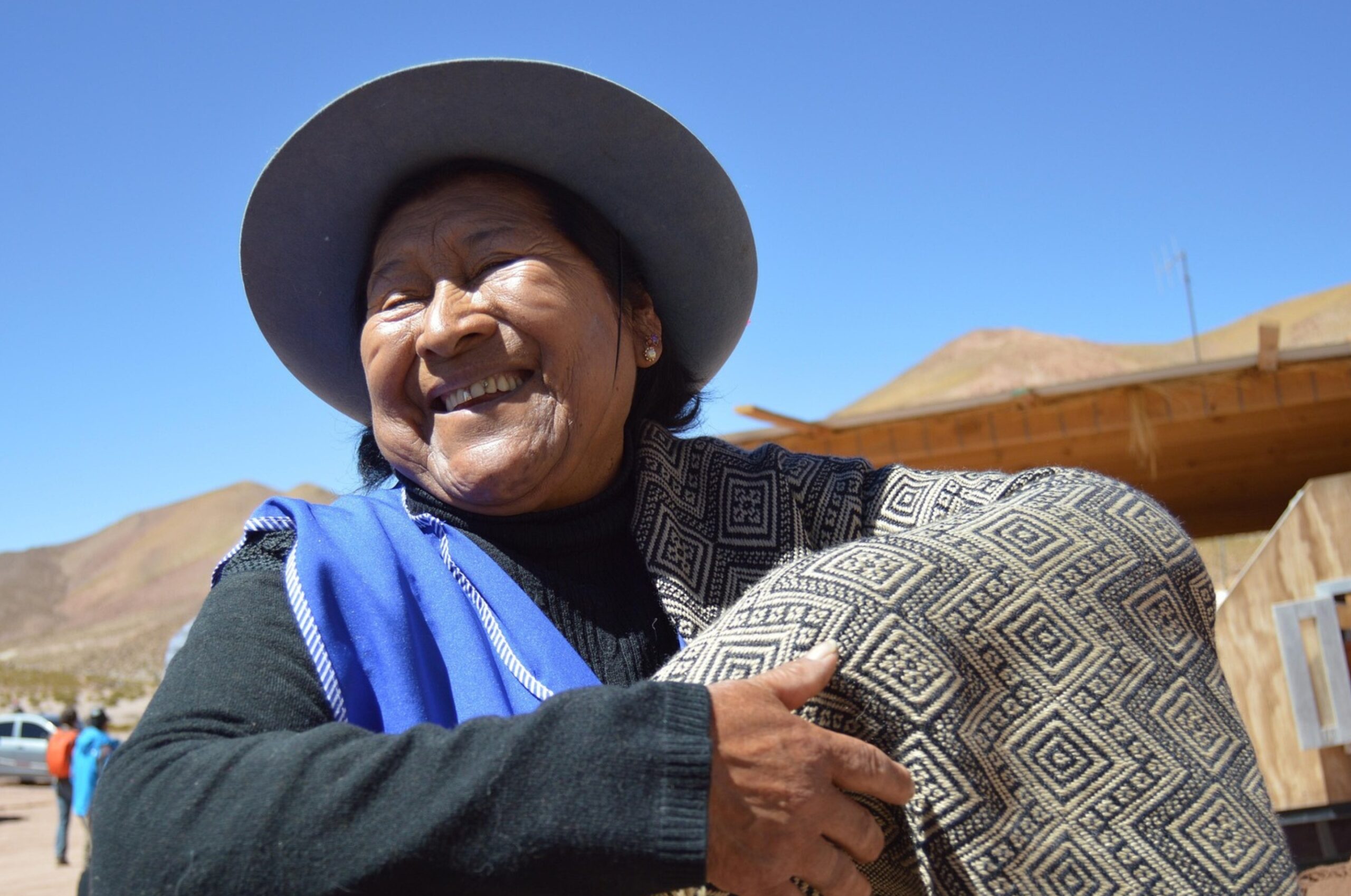
The Atacameño People: Life Between the Desert and the Andes Imagine a land where the sun beats down relentlessly, the
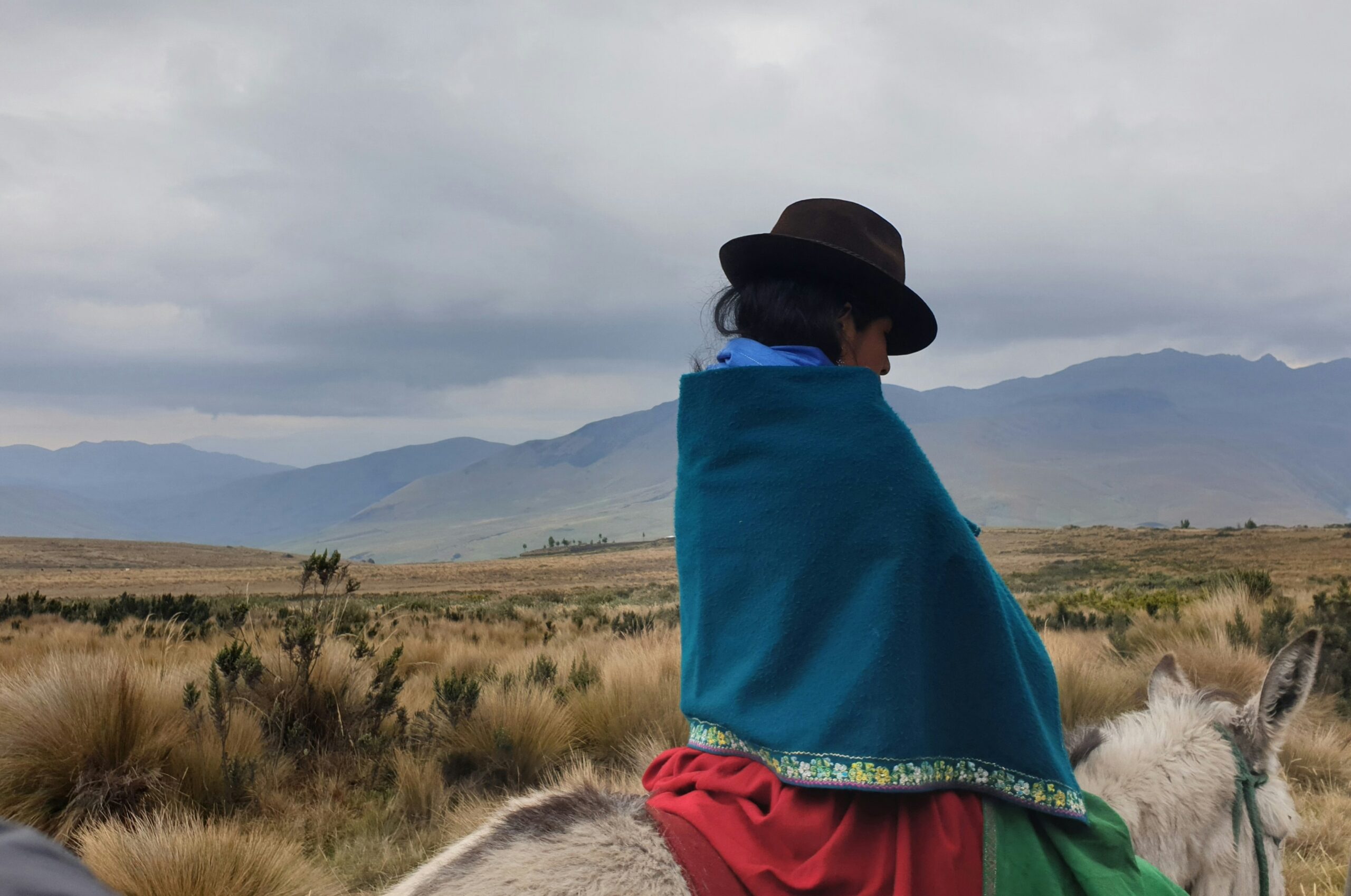
The Andes Mountains, often called the “backbone of South America,” are much more than a geographic feature—they are the heart